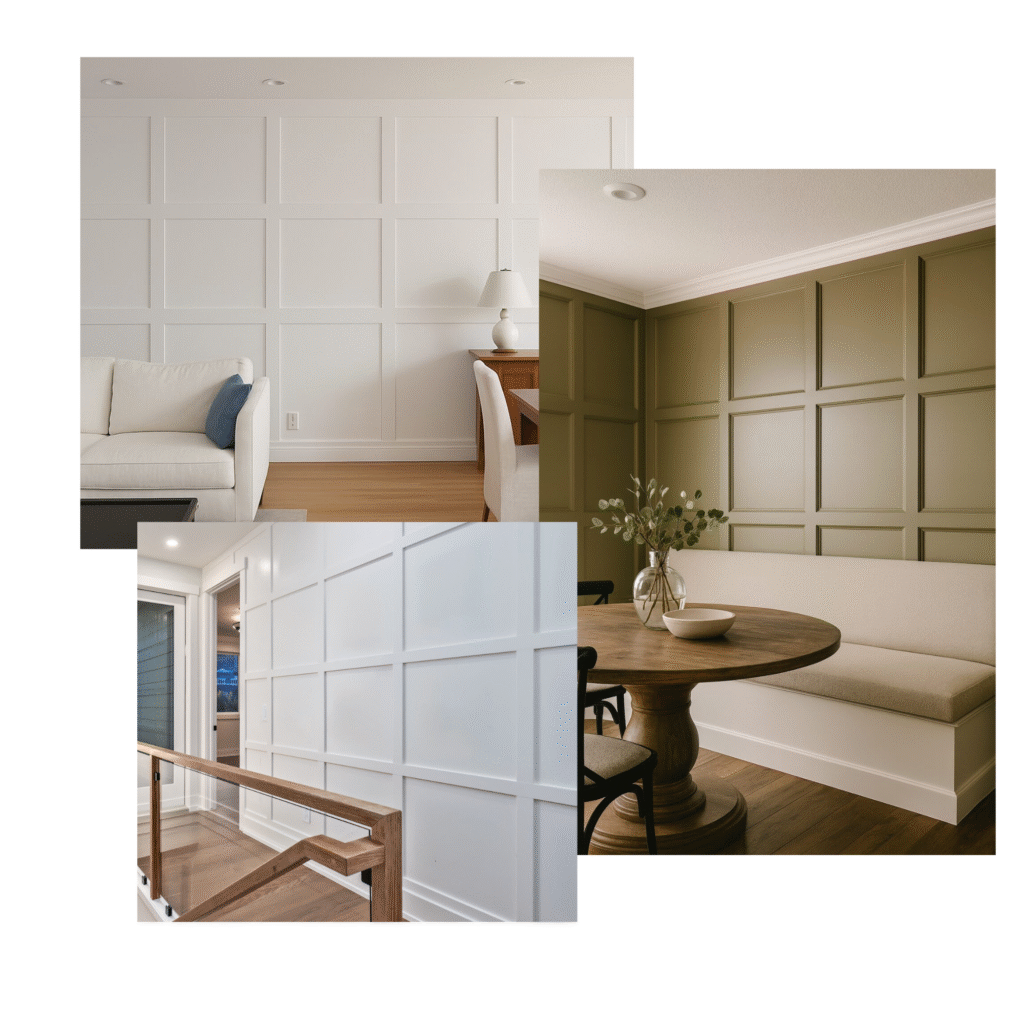
In a 2023 survey of interior designers across North America, 67% reported that finish carpentry and millwork were the leading cause of project delays, ahead of furniture lead times, flooring, and lighting combined. The trade designers depend on most to make a space feel finished is the trade most likely to blow the timeline.
If that number surprised you, your millwork subtrades probably have not.
The Fragmentation Problem Nobody Talks About
Western Canada’s custom millwork trade is dominated by one-to-three person shops. No dedicated project manager, no formal systems, no meaningful accountability structure. When a shop gets busy, your project gets bumped. You usually find out when the deadline passes, not before.
This is not a new problem, but it has gotten worse. The demand for design-forward millwork has grown sharply over the past four years while the supply of capable, well-organized shops has not kept pace. The result is a fragmented market where availability has become more valuable than quality, and designers are left absorbing the consequences.
What Clients Expect Now Versus What Designers Can Actually Deliver
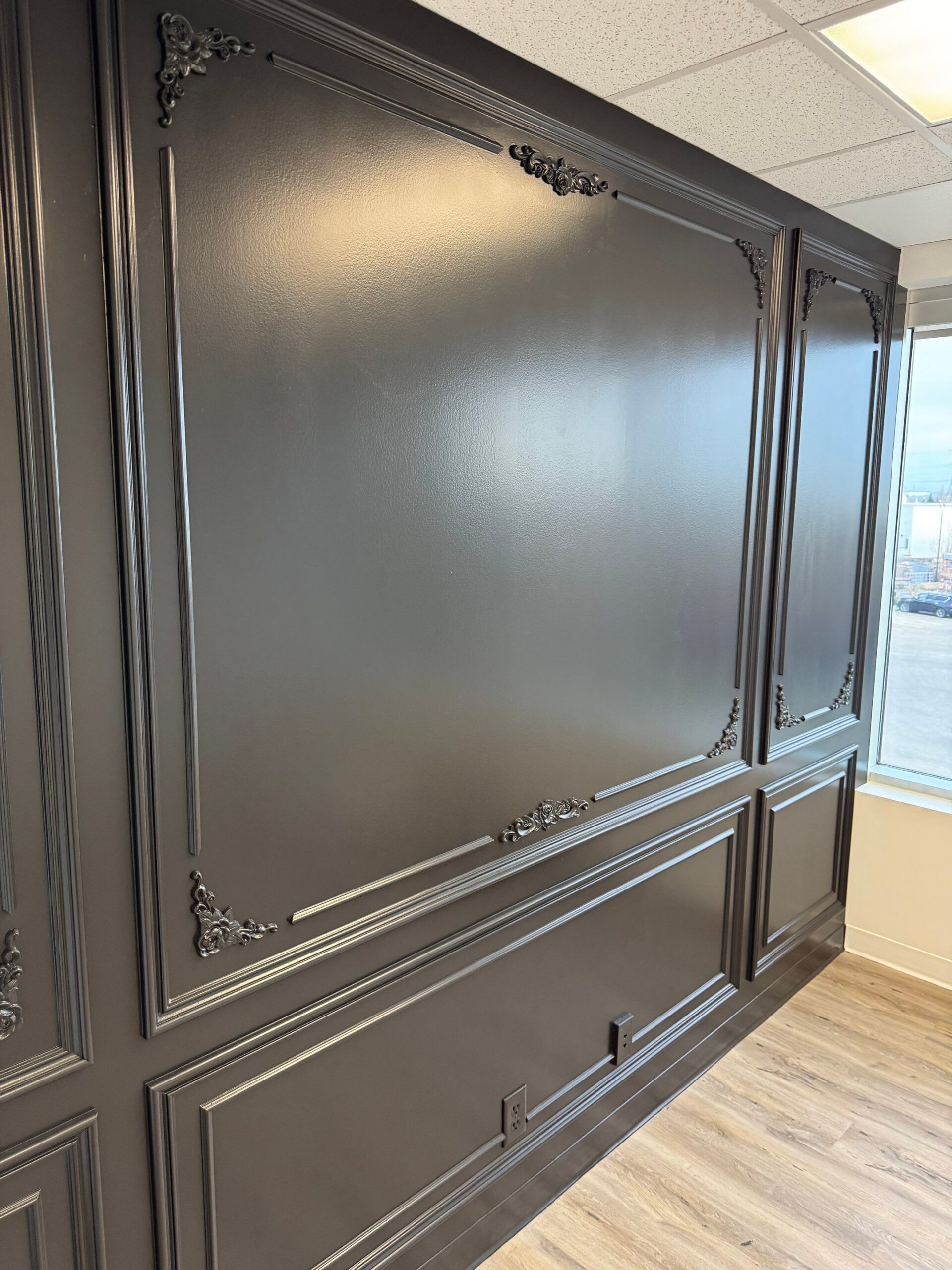
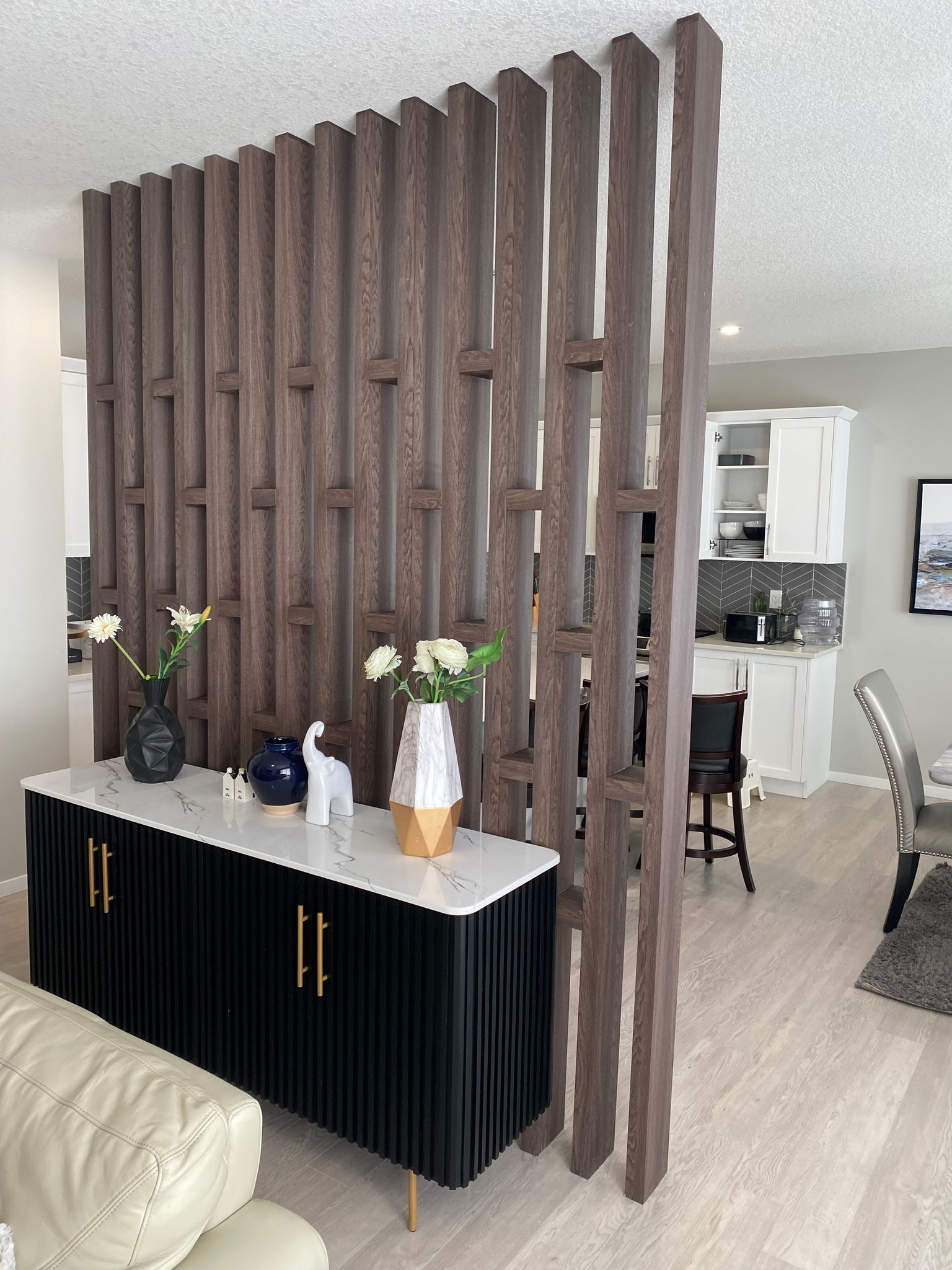
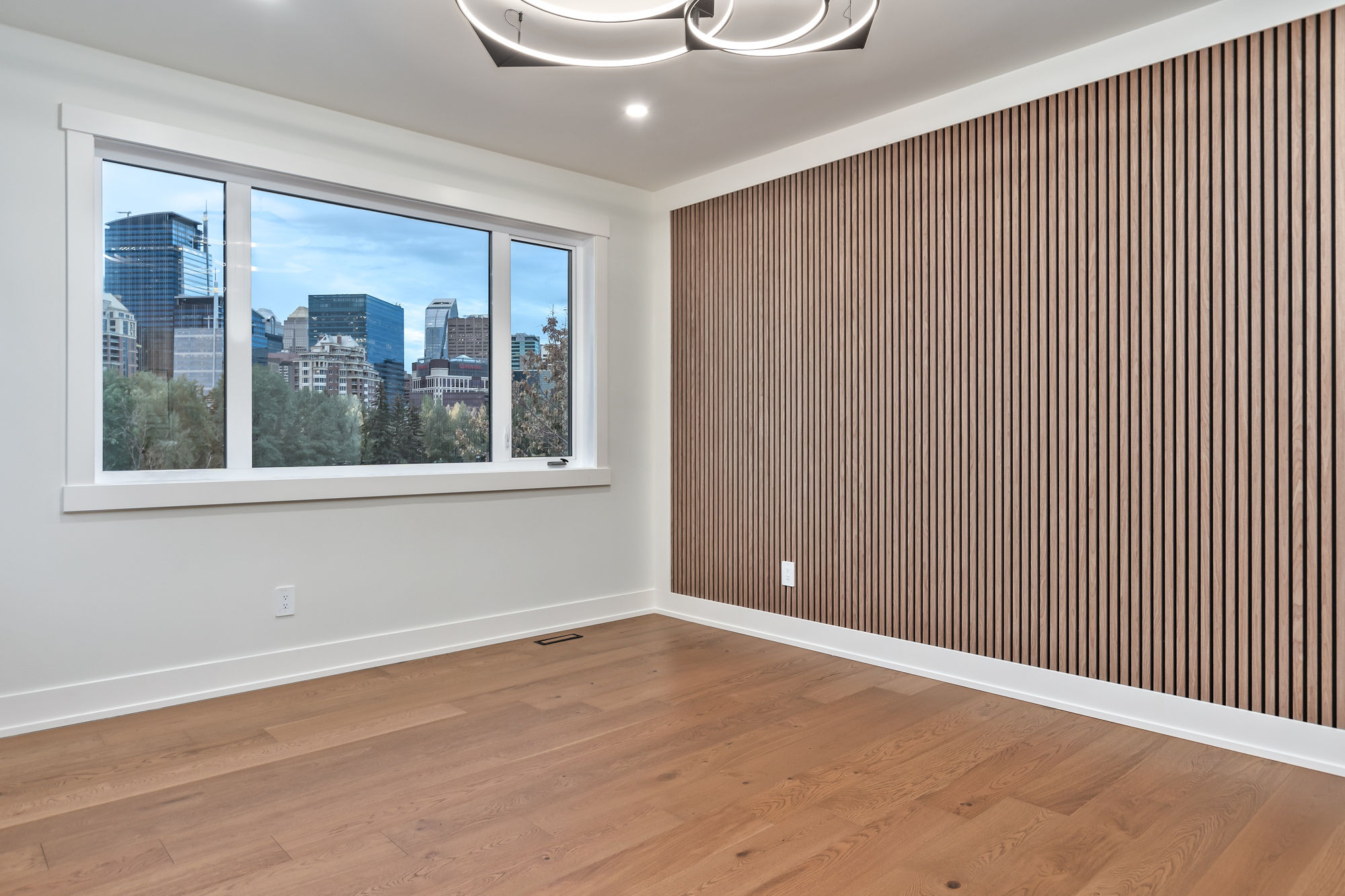
Clients walk in with Pinterest boards. Fluted panels, limewash finishes, integrated open shelving, built-in seating with storage, slat walls. Five years ago those were differentiators. Today they are baseline expectations. Designers who cannot reliably deliver them lose work to firms that can.
The challenge is not design skill. Most designers know exactly what they want to spec. The challenge is finding a fabricator who can build it on schedule, at the quality level the design requires, without treating your project as a lower priority the moment a bigger job comes in.
The Real Cost of a Millwork Rework
Industry data puts rework costs at 18 to 35 percent of the original job value. That is a significant number, but it understates the real damage. The dollar cost is one thing. The credibility cost is another.
When millwork comes back wrong or late, the designer absorbs the client relationship damage even when the fabricator is fully at fault. The client does not know which subtrade failed. They know the designer chose that subtrade. Your name is on the project.
Late-stage fixes on a commercial schedule are often not real fixes at all. They are compromises. The design intent gets diluted and the timeline gets blown, and the only party the client ever holds accountable is the one they hired.
Commercial Schedules Have Compressed and Finish Carpentry Is Critical Path
Schedules that used to run 16 weeks now run 10 to 12. That 30% compression since 2020 leaves almost no slack in the finish carpentry phase, which typically runs at the end of a project when every other trade has already pushed into your window.
Finish carpentry is critical path on most commercial interiors. A delay there does not get absorbed. It becomes your problem, your client conversation, and your professional reputation.
Operating in that environment requires a finish trade partner that behaves like a contractor, not a craftsman taking jobs as they come. That means a dedicated PM, clear scope documentation, proactive communication when anything changes, and a shop floor organized enough to actually hit the dates they commit to.
The Designers Winning Referrals Have Locked-In Trade Relationships
In discovery calls, prospective clients now ask: “Who do you use for millwork?” Your subtrade roster has become part of your brand presentation. The designers generating the most consistent referral business have trade partners they can name and stand behind, not a rotating cast of shops they found on Houzz or through a GC recommendation.
Building that kind of relationship takes more than one successful project. It requires a finish trade that communicates proactively, reads design intent rather than just a dimension sheet, and treats your projects as long-term pipeline, not transactional work. Those shops exist. They are just not easy to find through the usual channels.
What the Best Design Firms Are Doing Differently
The firms consistently delivering on finish carpentry are not hunting for a better one-man shop. They have built relationships with finish carpentry companies that operate like proper businesses. Dedicated project management, clear timelines with milestone check-ins, fabricators who ask the right questions before fabrication starts, and accountability structures that mean something when something goes sideways.
They also bring the finish trade into the conversation earlier. Not at permit stage or after framing. At design intent. A good finish carpentry partner can flag a dimension issue, a material availability problem, or a lead time conflict before it becomes a change order.
If your current process involves sending a DWG file and hoping for the best, there is a better way to run it.
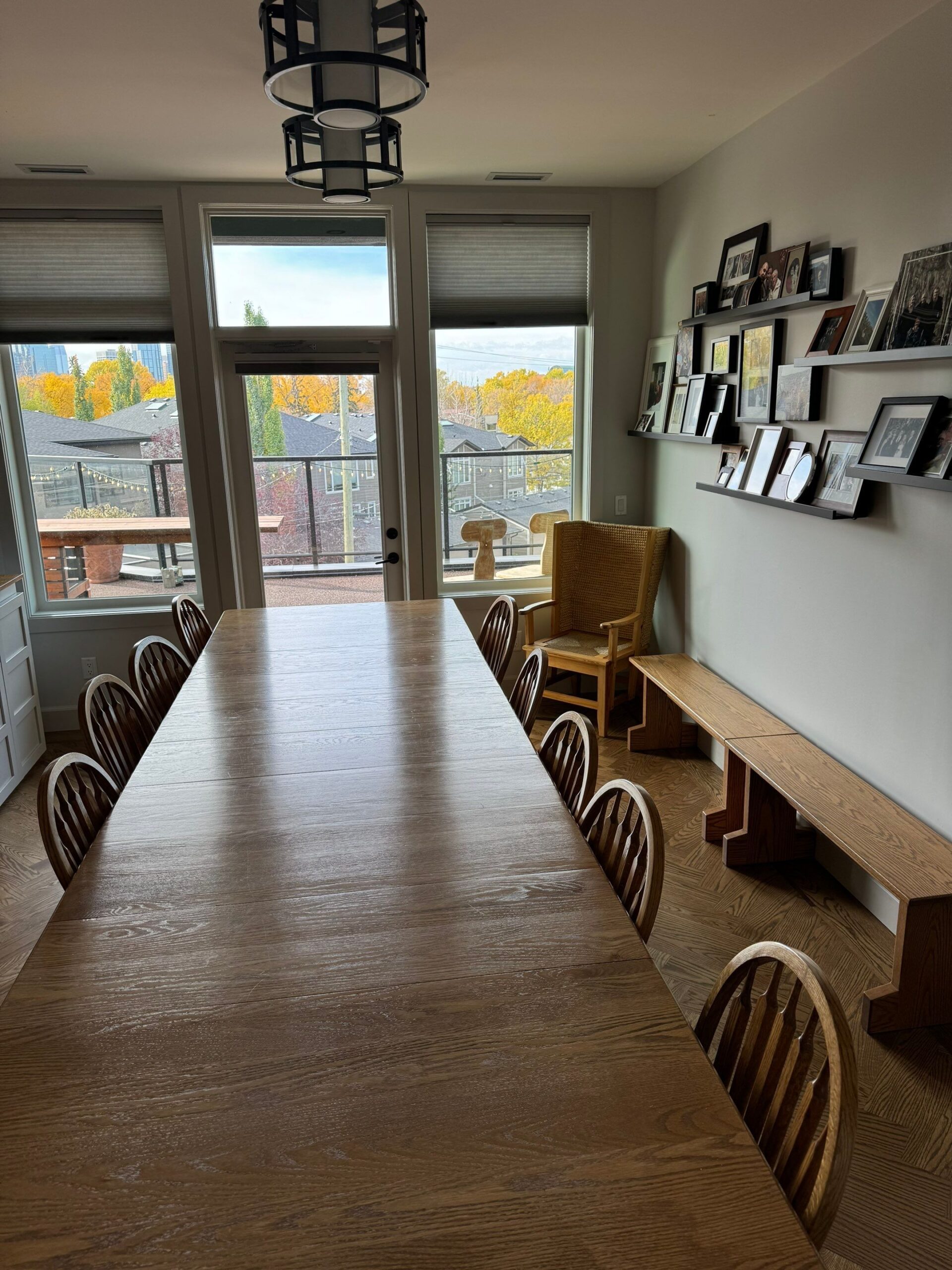
You can see examples of how we work on commercial and residential design projects at our portfolio.
If you have a project coming up with a feature wall, built-in, or any custom millwork, let’s do a 20-minute scope call. No pitch, just a look at what you’re building and whether we’re the right fit. Reach out here.