When commercial landlords and property managers think about tenant retention, the conversation usually goes to lease rates, maintenance response times, and common area upkeep. Finish carpentry rarely comes up — but it probably should.
The quality of interior millwork in a commercial space has a direct relationship to how tenants experience that space every day. And how they experience it affects how long they stay.
What Tenants Actually Notice
Tenants don’t walk into a new space and itemize the trim. But they feel it. There’s a measurable difference between a space with purposeful millwork — clean reception details, well-fitted cabinetry, intentional feature elements in common areas — and one that was finished to minimum spec and called done.
The first space feels like it was designed for someone. The second feels like it was finished for the lease.
In Calgary’s commercial market, where tenant options have shifted across many submarkets, that difference matters more than it used to. Office tenants, medical practices, and retail operations are increasingly making location decisions based on how a space makes them feel day-to-day — not just the square footage and the rent.
The Business Case for Better Finish Work
There are a few specific ways quality finish carpentry affects tenant retention:
First impressions for the tenant’s own clients. A law office, a physiotherapy clinic, a financial services firm — these businesses bring their clients through the door. The quality of the interior finish reflects on their brand. When a landlord provides a well-finished base, tenants stay because it helps them show up professionally without spending their own capital on upgrades.
Reduced tenant improvement friction at renewal. Tenants who move into a higher-quality base spend less on TI build-outs at the start. Less capital deployed at move-in means a faster break-even on the space, which makes lease renewal math easier for the tenant. Landlords who invest in finish quality often find tenants re-signing without the TI concession negotiation that’s typical at lease end.
Perceived property quality across the whole building. Quality millwork reads as a quality building. In multi-tenant commercial properties, the common areas — elevator lobbies, corridor trim, shared reception finishes — set a tone that affects every tenant’s daily experience. Investing in those finishes lifts the perceived value of every suite in the building, not just the renovated one.
What This Looks Like in Practice
For Calgary property managers and landlords, this doesn’t mean a full custom build-out on every suite. It means identifying where millwork has the most visible impact and doing those things with intention:
- Reception and lobby millwork that reads as considered, not builder-grade
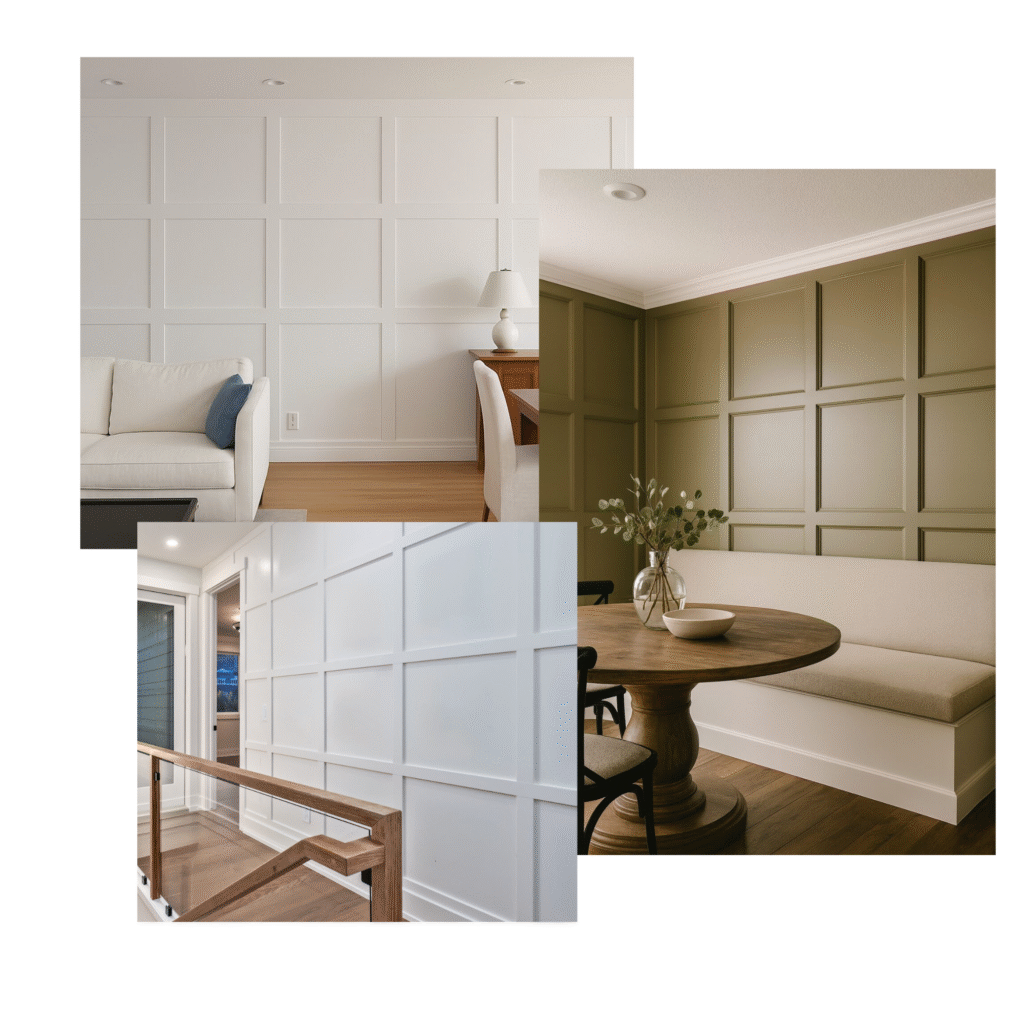
- Feature walls or wainscoting in shared corridors and common areas
- Custom cabinetry in shared kitchenettes or break rooms
- Clean, detailed suite entry transitions that set the tone before a tenant opens their door
These are targeted investments, not blanket spend — and they have a measurable effect on how tenants perceive and talk about the property long-term.
Calgary Custom Concepts works with commercial landlords, property managers, and general contractors across Calgary on both base building finish work and tenant improvement scopes. If you’re planning a commercial project, we’re ready to talk scope and timing.
Reach us at build@calgarycustomconcepts.ca or 403-640-4403, or submit a project inquiry here.