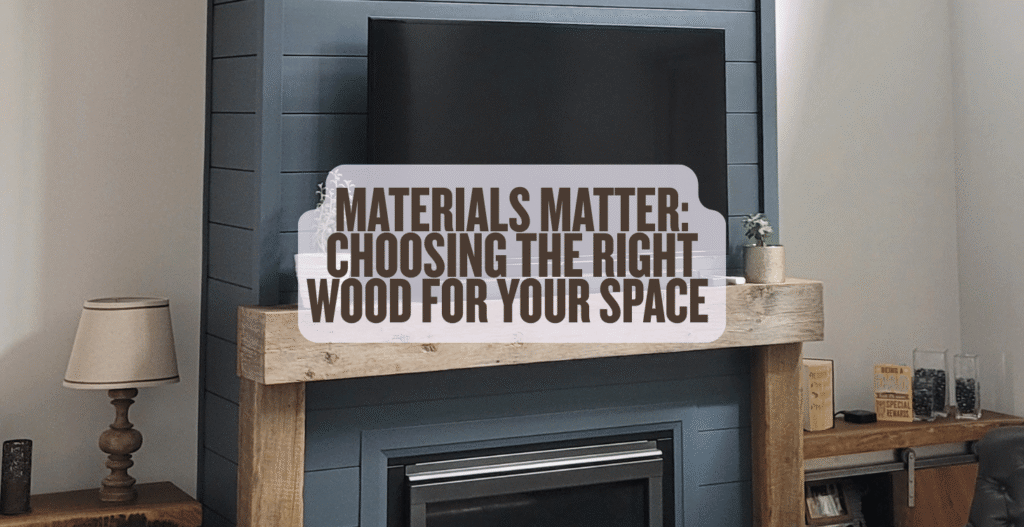
When planning a custom carpentry project, material selection is one of the most important — and most misunderstood — decisions.
Many homeowners assume that “wood is wood,” or that higher cost automatically means better quality. In reality, the right material depends on how the space is used, how it’s finished, and how it needs to perform over time.
Here’s how to think about material selection in a way that leads to better results.
Understanding How Different Materials Behave
Wood and wood-based products respond to temperature, humidity, and use differently. In Calgary’s climate, seasonal changes can cause materials to expand and contract, which is why material choice matters so much.
Solid wood offers natural beauty and strength, but it requires thoughtful construction to manage movement. Engineered materials, when used correctly, can offer stability and consistency — especially for painted finishes or large panel applications.
The goal isn’t choosing the “best” material overall — it’s choosing the right material for the application.
Painted vs. Natural Finishes
One of the first questions we ask is how the piece will be finished.
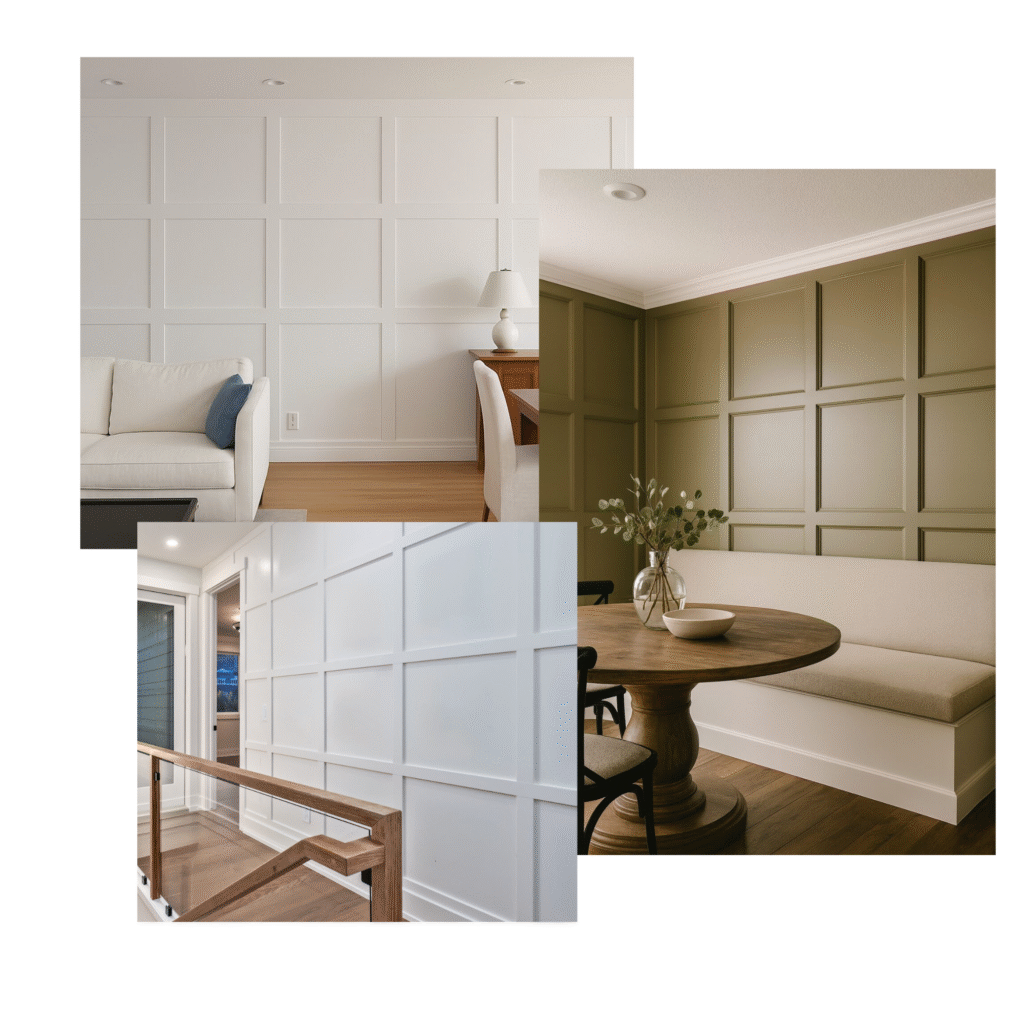
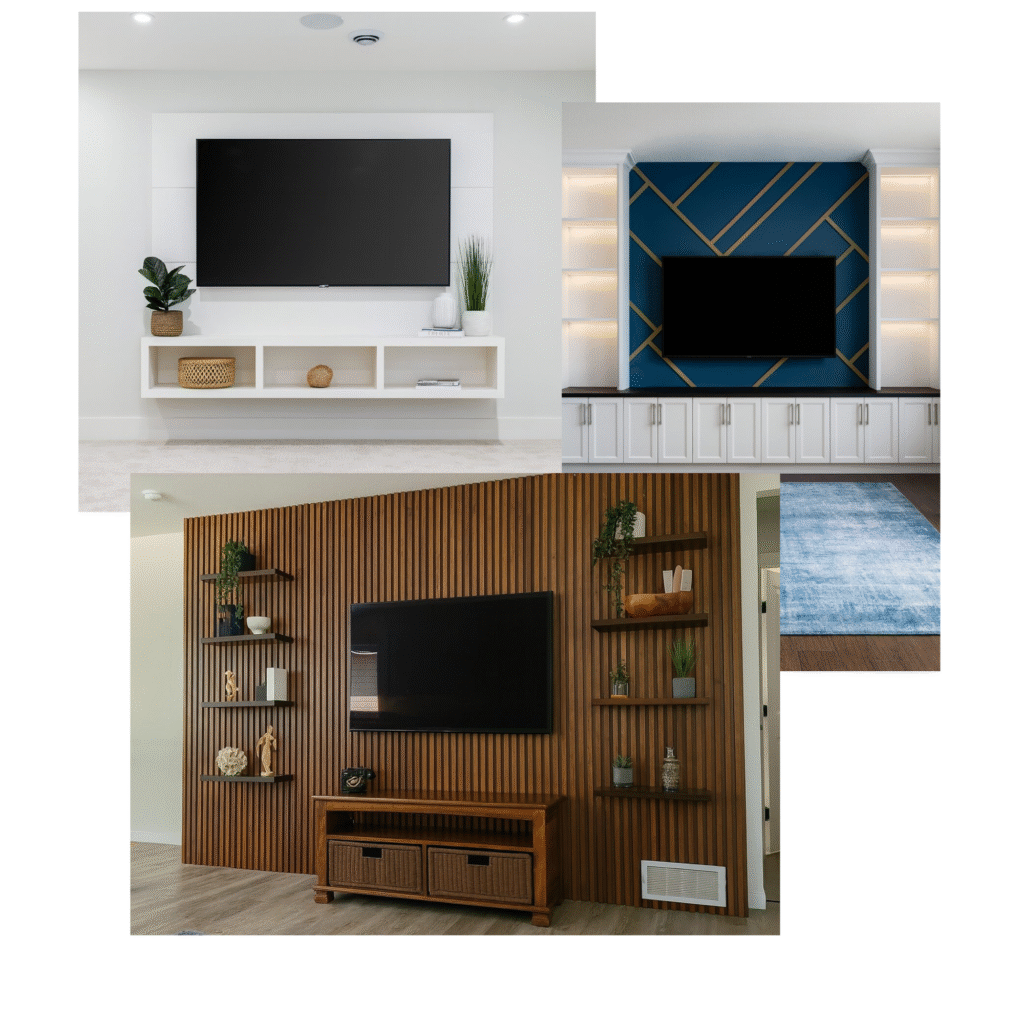
Painted wall treatments, paneling, and built-ins often benefit from materials that remain stable and accept finishes evenly. Natural wood finishes, on the other hand, require materials selected for grain, tone, and visual consistency.
Matching the material to the finish prevents cracking, telegraphing, and uneven aging.
Durability and Daily Use
A decorative wall feature and a high-use built-in serve very different purposes.
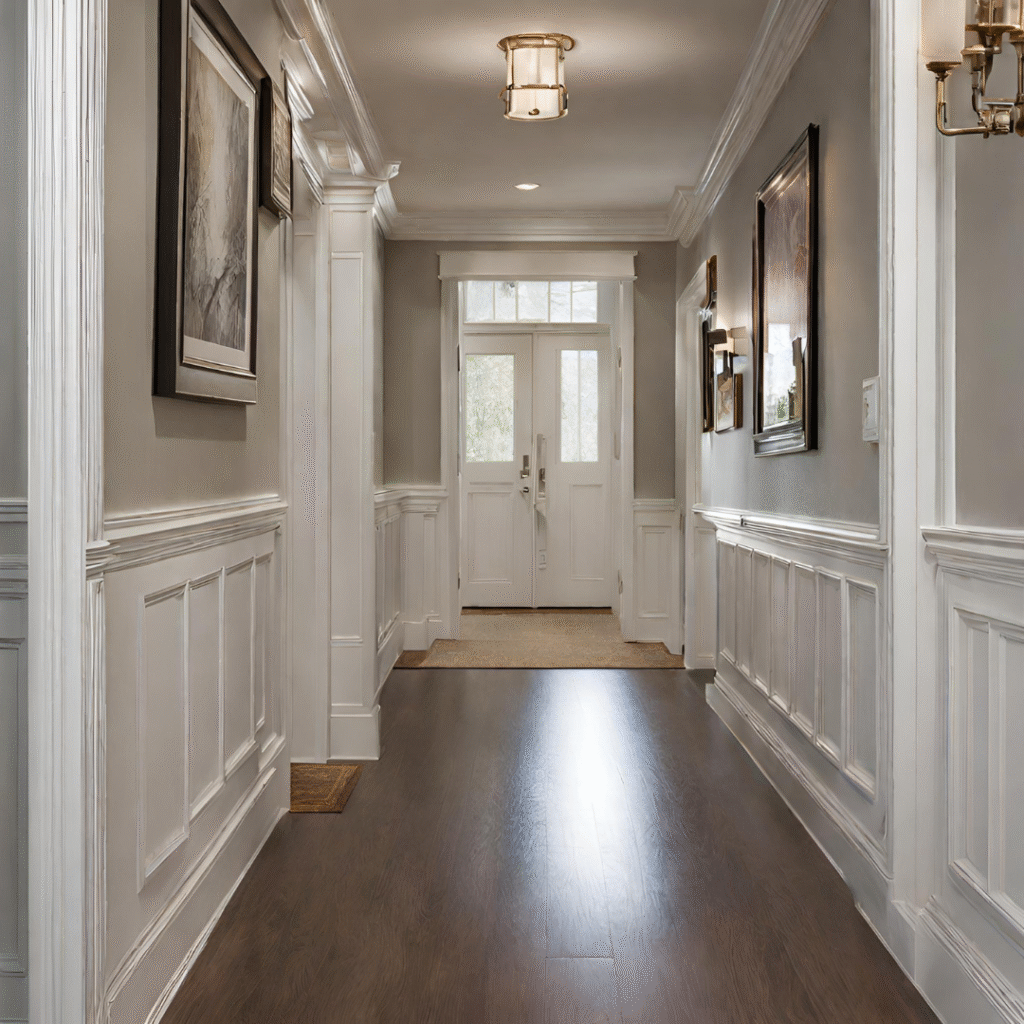
High-traffic areas like entryways, offices, and family rooms need materials that resist dents, wear, and frequent contact. Choosing the wrong material here can lead to premature damage and frustration.
Fine carpentry considers not just how a space looks on day one, but how it will be used every day after.
The Importance of Core Construction
What you don’t see often matters most.
Behind finished surfaces are cores, backings, fasteners, and assembly techniques that determine whether a piece stays straight, flush, and solid over time. Average builds often cut corners here.
Quality construction uses appropriate substrates, adhesives, and fastening methods to ensure long-term stability.
Sustainability and Responsible Choices
Many homeowners are also thinking about sustainability.
Responsible material sourcing, efficient use of resources, and long-lasting construction all play a role in reducing waste over time. Choosing materials that won’t need to be replaced prematurely is one of the most sustainable decisions you can make.

Why Material Decisions Are Best Made With a Professional
Material selection isn’t about memorizing product lists — it’s about understanding how design, environment, and usage intersect.
A professional consultation helps homeowners avoid costly mistakes and ensures that materials support both the design vision and long-term performance.
At Calgary Custom Concepts, we guide material decisions based on real-world experience, not trends or shortcuts.
If you’re planning a custom carpentry project and want confidence in the finish materials, a thoughtful design conversation makes all the difference.
Contact Calgary’s experts today for your obligation and hassle-free quote/render here.